Tell us about the job
Takes about a minute. No obligation.
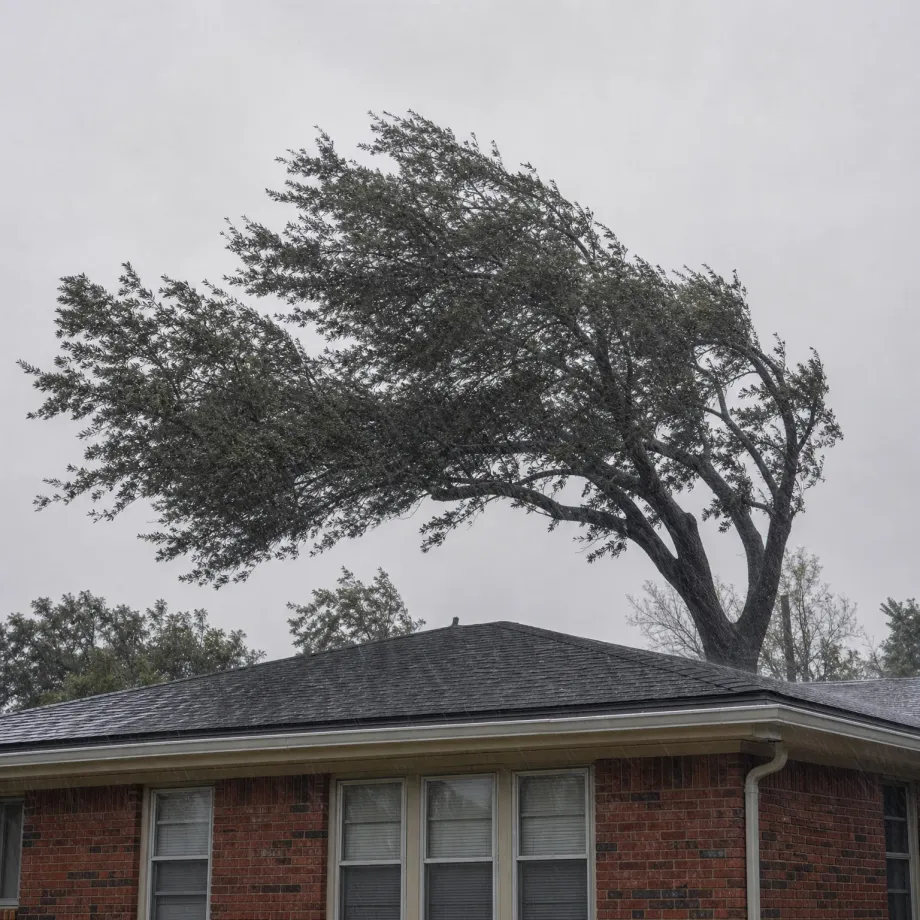
A heat pump that stops working in Lee County is almost certainly telling you something about its service history, not about storms. 71 severe weather events were recorded in Lee County, North Carolina between 2015 and 2024. At that rate, severe weather is real but infrequent enough that it rarely explains a failed compressor or a refrigerant problem on its own. A contractor diagnosing a repair here will check capacitor wear, refrigerant charge, and coil condition before they look at any weather-related cause, because those are what actually give out in systems that have been running without regular service.
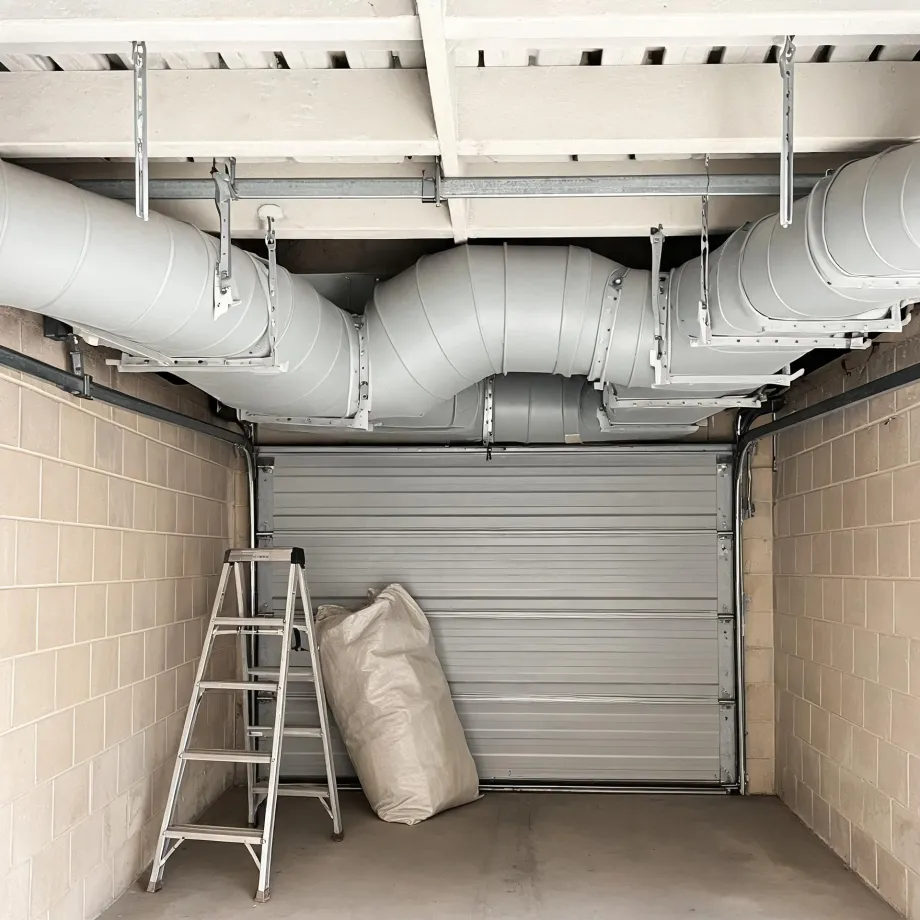
Ductwork in a house built for an earlier generation of equipment picks up decades of particulate, biological growth, and corrosion that a heat pump pulling air through it has been fighting since the day it was installed. Half the homes in Lee County, North Carolina were built in 1988 or earlier (2020-2024 ACS 5-year). A contractor who opens a heat pump in a house from this part of the stock frequently finds refrigerant lines, contactors, and capacitors that are at or past the point where standard parts lists thin out. When a replacement part is discontinued or back-ordered, the repair scope changes and so does the bill.
The Parts of a Heat Pump a Contractor Checks First
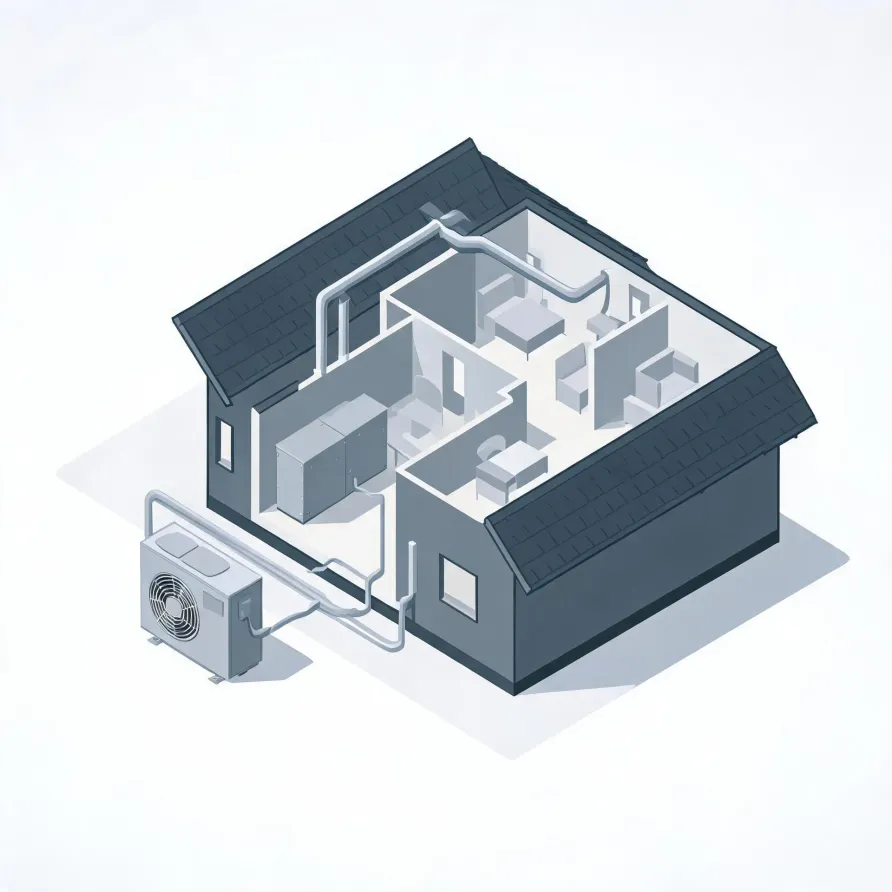
The outdoor unit sits on a pad beside the house and holds the compressor and one of the two coils. The compressor is usually where a contractor starts: when it fails, the system stops moving heat entirely. The outdoor coil pulls heat from or releases heat to the air outside, and a refrigerant leak or a bent fin here will show up fast in how the system performs.
Inside the house, the air handler holds the second coil and the blower fan that pushes conditioned air through the home. The reversing valve, which lives in the outdoor unit, is what lets a heat pump work in both directions, and a stuck valve is a common reason a system heats but won't cool, or the reverse. The thermostat and the refrigerant lines that run between the two units are also on a contractor's checklist.
The drawing shows a typical layout, and a licensed contractor determines which parts apply to your specific system and home.
Find a contractor in Lee CountyLee County, by the numbers
71 severe weather events were recorded in Lee County, North Carolina between 2015 and 2024.
NOAA National Centers for Environmental Information, Storm Events Database, bulk CSV export, events 2015-01-01 through 2024-12-31.Half the homes in Lee County, North Carolina were built in 1988 or earlier (2020-2024 ACS 5-year).
U.S. Census Bureau, 2020-2024 American Community Survey 5-Year EstimatesLee County, North Carolina holds 27,166 housing units (2020-2024 ACS 5-year).
U.S. Census Bureau, 2020-2024 American Community Survey 5-Year EstimatesOwners occupy 67.3% of the occupied homes in Lee County, North Carolina (2020-2024 ACS 5-year).
U.S. Census Bureau, 2020-2024 American Community Survey 5-Year EstimatesCodes & Standards Governing Heat Pump Repair in Lee County, North Carolina2 sourced rules and standards
Licensing Rules for HVAC Repair in Lee County, North Carolina
North Carolina issues Class I heating licenses covering all systems in all structures, and Class II licenses covering heating systems in single-family detached residential dwellings.
North Carolina requires a license before any person or firm may engage in, or offer to engage in, the business of heating contracting.
Weather Stress on HVAC Equipment in Lee County
Heat pumps run hardest when outdoor conditions swing furthest from comfortable, and every hard run adds wear the system eventually shows. Repair demand in Lee County follows the same weather the county gets, which is why the record below belongs on this page.
71 severe weather events, 2015–2024. Source: NOAA National Centers for Environmental Information, Storm Events Database.