
What North Carolina homes are up against.
NOAA National Centers for Environmental Information, Storm Events Database, bulk CSV export, events 2015-01-01 through 2024-12-31. · U.S. Census Bureau, 2020-2024 American Community Survey 5-Year Estimates

A contractor quoting a heat pump replacement starts from what the existing unit has been through, and in North Carolina that history carries real weight. 10,154 severe weather events were recorded in North Carolina between 2015 and 2024. Across that stretch, equipment has been asked to run hard and recover, repeatedly, in a state where severe weather arrives often enough to compound into measurable wear. A unit that held up and one that is quietly failing can look similar on a spec sheet. What distinguishes them shows up in how they hold capacity now, which is what a contractor checks before recommending a size or a system for your address.

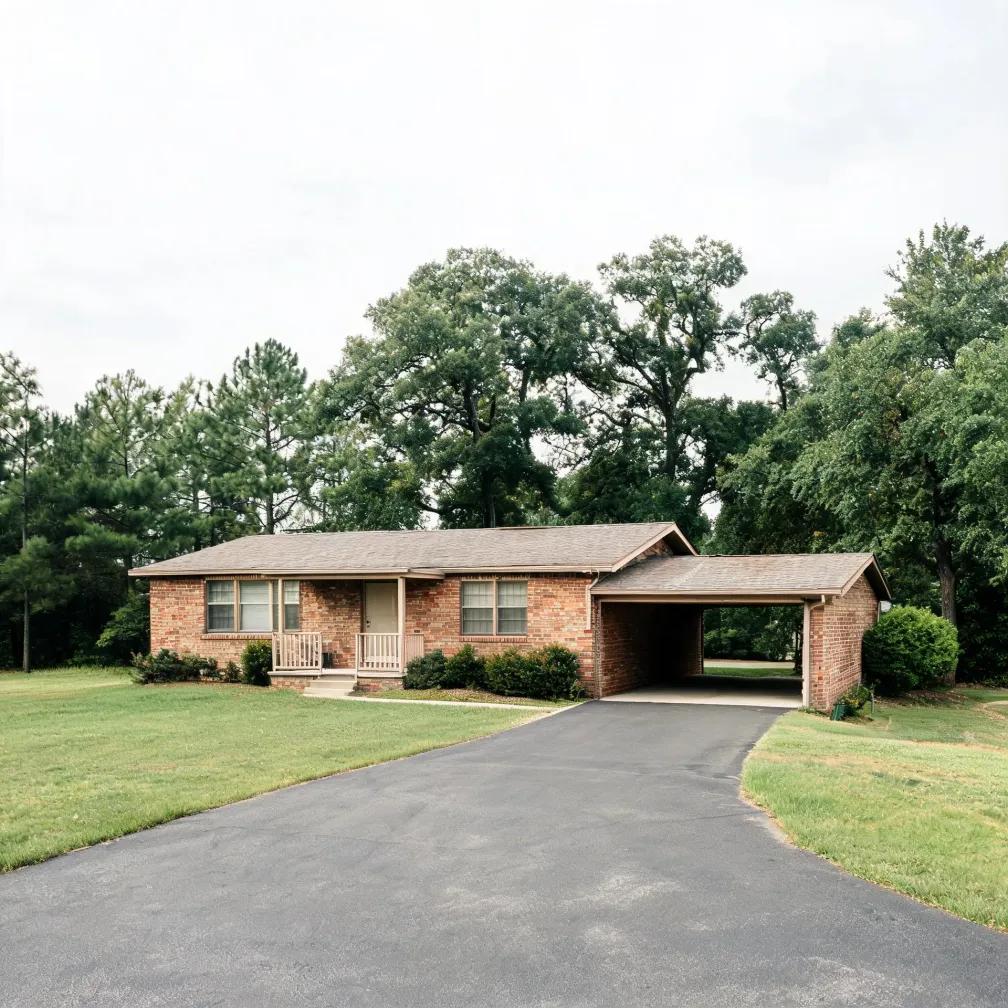
A quote for a heat pump replacement depends on what a contractor finds once they can see the system, and in North Carolina that starting point varies more than the address suggests. Half the homes in North Carolina were built in 1991 or earlier (2020-2024 ACS 5-year). Ductwork sized for older equipment carries different static pressure than a modern variable-speed unit needs. The electrical service may or may not have the capacity a heat pump requires. A contractor measures both before specifying anything, because the house sets the terms of the install.
Does your county put extra stress on HVAC equipment?
2015–2024 · Source: NOAA National Centers for Environmental Information, Storm Events Database.
A condenser sitting outside in North Carolina faces wind, hail, ice, and heat that compound across years. A unit sized or positioned without accounting for local exposure will be asked to do more than it was built for, and the gap between design and reality shows up in repair calls and shortened service life. The licensed contractor you are matched with sizes and places equipment around what your specific location actually demands.
North Carolina HVAC Installation and Repair License Requirements
North Carolina sets its own licensing rules for HVAC installation and repair work. The provisions below are quoted directly from state sources, not paraphrased.
North Carolina issues Class I heating licenses covering all systems in all structures, and Class II licenses covering heating systems in single-family detached residential dwellings.
A state license requirement means the law defines who is permitted to do this work in North Carolina, and an unlicensed contractor falls outside that permission regardless of price or availability. Before any request from this site reaches a contractor, that contractor's license status is confirmed against what these provisions require.
See the source provisions2 provisions
North Carolina issues Class I heating licenses covering all systems in all structures, and Class II licenses covering heating systems in single-family detached residential dwellings.
North Carolina requires a license before any person or firm may engage in, or offer to engage in, the business of heating contracting.