Tell us about the job
Takes about a minute. No obligation.
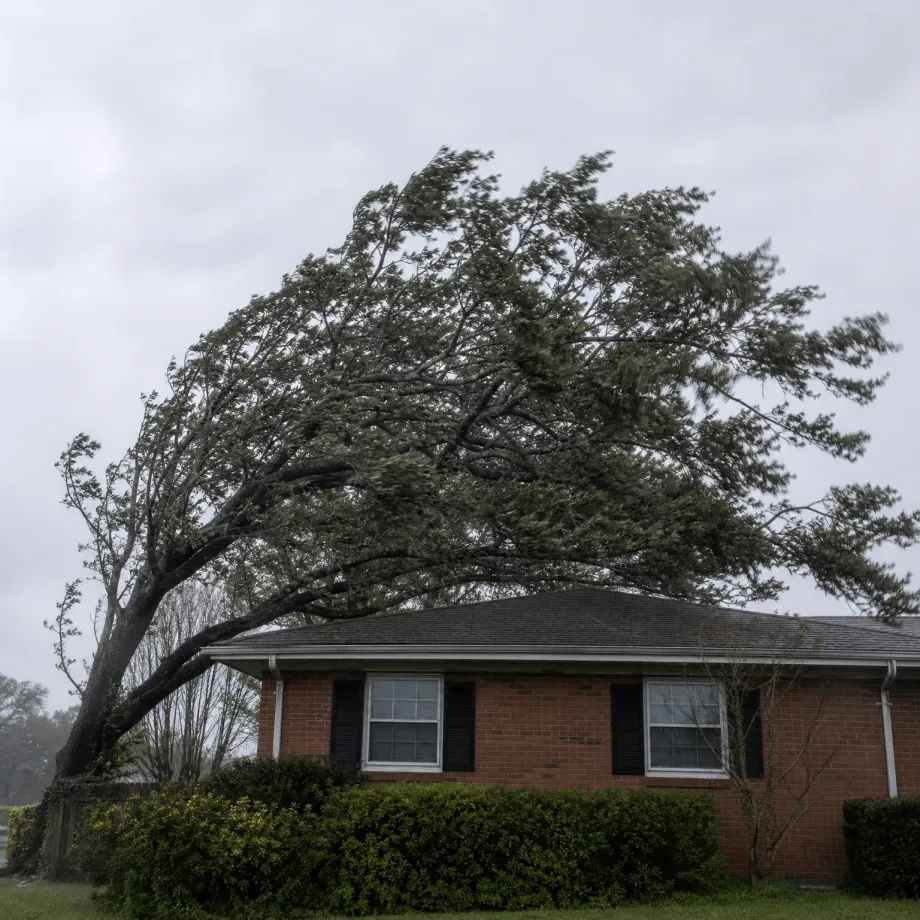
A heat pump in Pitt County has been running against a genuine weather load, and that shapes what a repair contractor looks at first. 102 severe weather events were recorded in Pitt County, North Carolina between 2015 and 2024. At that rate, the reversing valve, the capacitor, and the electrical connections have been stressed repeatedly, so a contractor checking a system that has lost heating or cooling output starts with those components rather than assuming the compressor has simply aged out. A repair quote that skips that inspection is working from incomplete information.
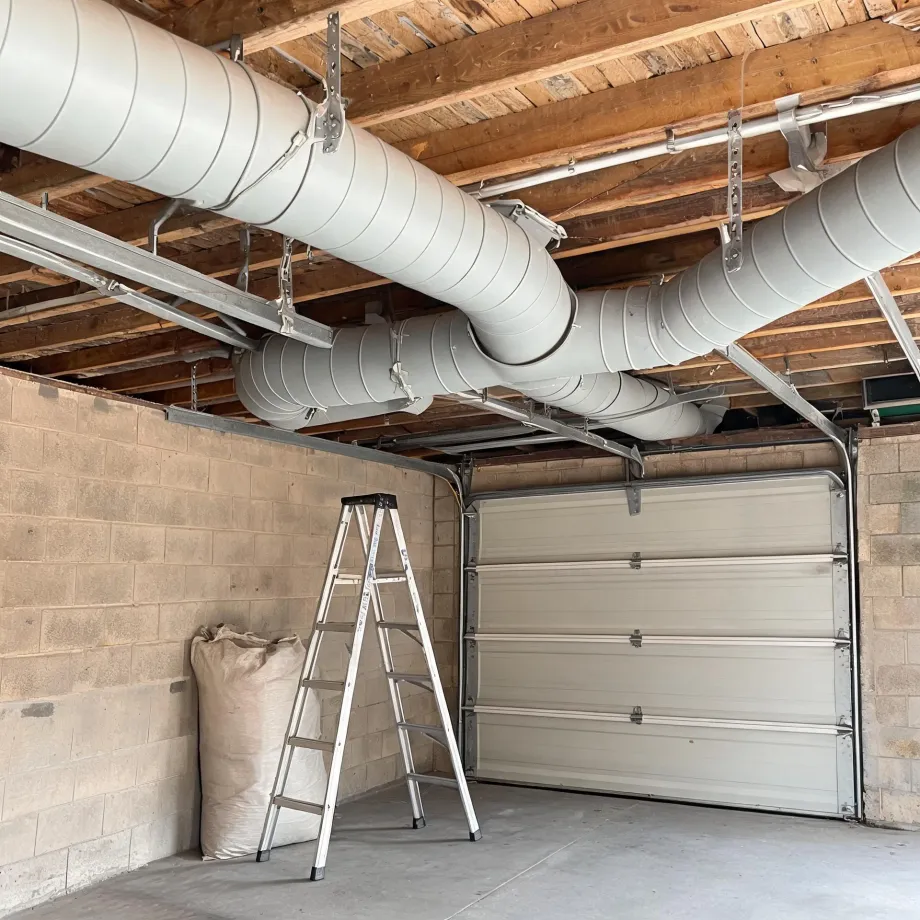
Older ductwork in a house tells you roughly what era the building served, but it does not tell you what refrigerant lines run to the unit outside or what generation of compressor is sitting in it now. Half the homes in Pitt County, North Carolina were built in 1994 or earlier (2020-2024 ACS 5-year). That span is long enough that most heat pumps running today were put in well after the original build, often more than once, which means the repair scope a contractor finds when the unit comes open is not predictable from the permit date or the age of the air handler cabinet. What matters is the specific components inside: whether the refrigerant circuit holds charge, what the contactor and capacitor actually measure, and whether the replacement parts a system of that configuration takes are still in production.
The Parts of a Heat Pump a Contractor Checks First
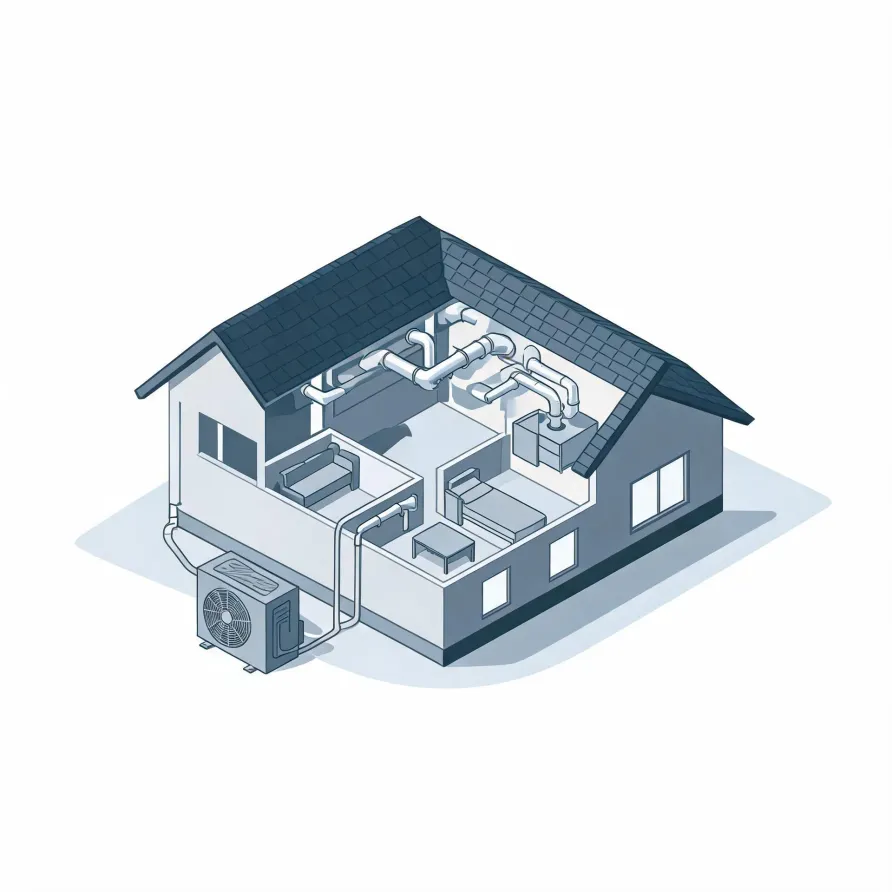
The outdoor unit sits on a pad beside the house and holds the compressor and condenser coil, the two components a contractor reaches for first when a heat pump stops doing its job. A failed compressor means no heat transfer at all. A damaged or fouled condenser coil means the system runs but struggles.
The air handler lives inside, usually in a closet, attic, or utility room, and moves conditioned air through the house while the evaporator coil and blower work together to finish what the outdoor unit started. The reversing valve sits inside the outdoor unit and is what lets a heat pump heat and cool. When that valve sticks, the system locks into one mode and will not switch.
The drawing shows a typical layout, and a licensed contractor determines which components apply to your specific home and system.
Find a contractor in Pitt CountyPitt County, by the numbers
102 severe weather events were recorded in Pitt County, North Carolina between 2015 and 2024.
NOAA National Centers for Environmental Information, Storm Events Database, bulk CSV export, events 2015-01-01 through 2024-12-31.Half the homes in Pitt County, North Carolina were built in 1994 or earlier (2020-2024 ACS 5-year).
U.S. Census Bureau, 2020-2024 American Community Survey 5-Year EstimatesPitt County, North Carolina holds 82,638 housing units (2020-2024 ACS 5-year).
U.S. Census Bureau, 2020-2024 American Community Survey 5-Year EstimatesOwners occupy 51.4% of the occupied homes in Pitt County, North Carolina (2020-2024 ACS 5-year).
U.S. Census Bureau, 2020-2024 American Community Survey 5-Year EstimatesCodes & Standards Governing Heat Pump Repair in Pitt County, North Carolina2 sourced rules & standards
Licensing Rules for HVAC Repair in Pitt County, North Carolina
North Carolina issues Class I heating licenses covering all systems in all structures, and Class II licenses covering heating systems in single-family detached residential dwellings.
North Carolina requires a license before any person or firm may engage in, or offer to engage in, the business of heating contracting.
Severe Weather Events in Pitt County
Extreme weather puts heat pumps under load they were not sized for on an average day. How hard that pressure hits depends on what the local record actually looks like, which is why this data belongs on a page about repair work in this area.
102 severe weather events, 2015–2024. Source: NOAA National Centers for Environmental Information, Storm Events Database.