Tell us about the job
Takes about a minute. No obligation.
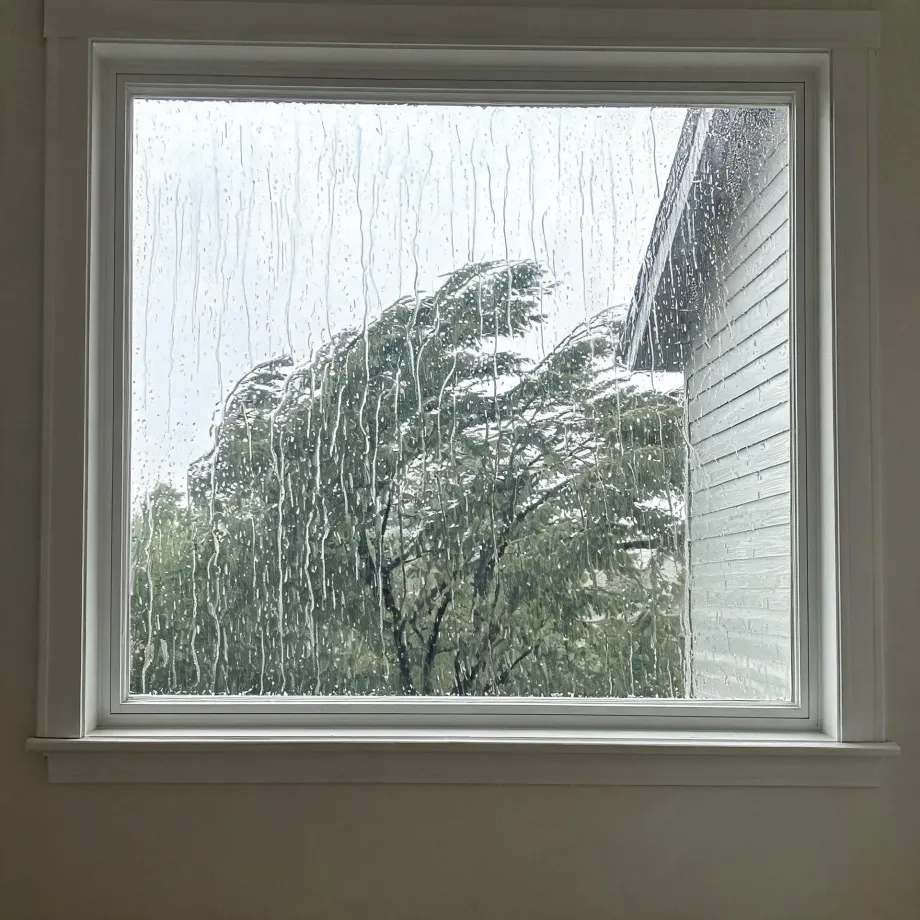
A heat pump running through Wilson County's weather accumulates wear the way any machine does under sustained demand, cycle after cycle across seasons that push both the heating and cooling sides hard. 109 severe weather events were recorded in Wilson County, North Carolina between 2015 and 2024. At that rate, severe weather is a standing feature of life here, and a contractor arriving to diagnose a failed compressor or a stuck reversing valve is looking at a part that has been working against real load for years. The repair scope often turns on whether the component failed because it was undersized, poorly installed, or simply spent, and the county's weather record is what makes that question worth asking carefully rather than reaching for the nearest part number.
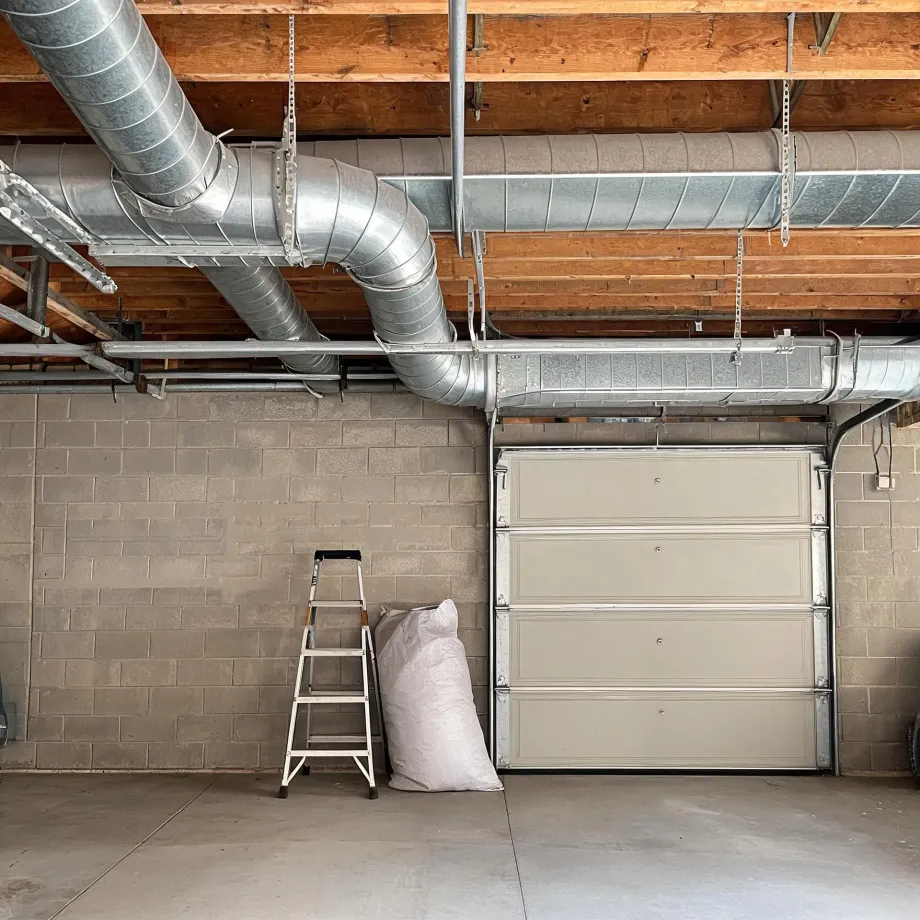
Half the homes in Wilson County, North Carolina were built in 1986 or earlier (2020-2024 ACS 5-year). A house built that long ago has almost certainly run more than one generation of heating and cooling equipment since it was first occupied. What a contractor finds when they open the unit matters more than the year on the permit: a compressor or reversing valve in a system installed years after the house was built may or may not have parts still in production, and that gap in the supply chain is what drives whether a repair is straightforward or not. The age of the building sets the stage, but the age of the equipment and what its manufacturer still supports is what determines the bill.
The Parts of a Heat Pump a Contractor Checks First
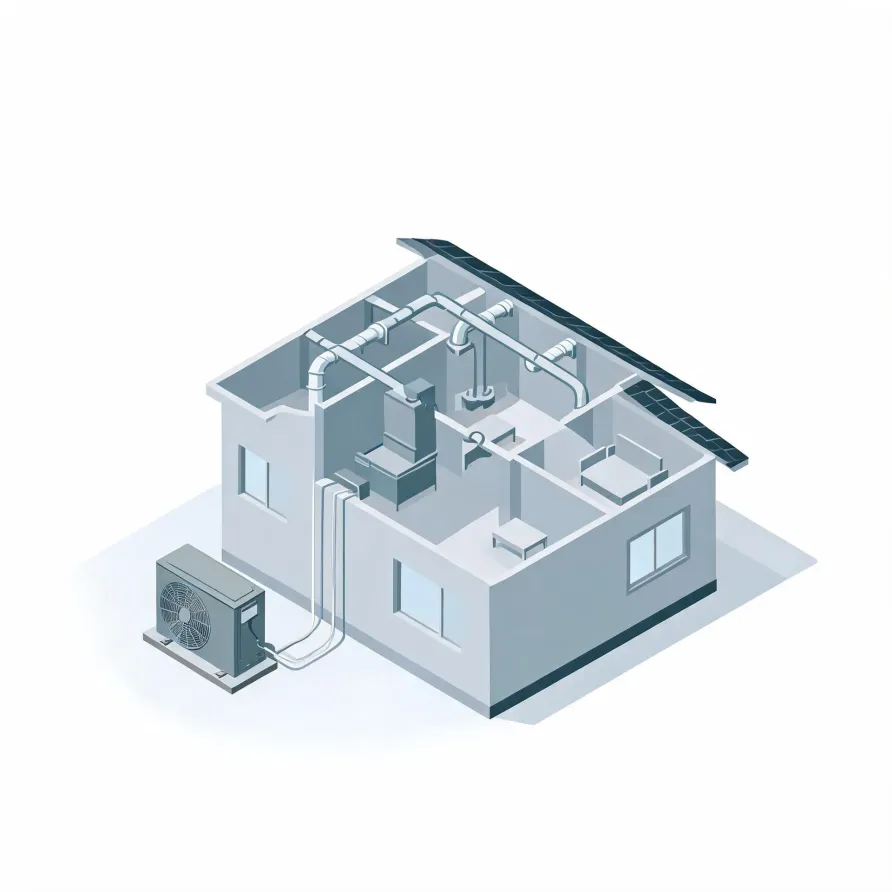
The outdoor unit is the piece most homeowners recognize on sight. It sits outside on a pad or bracket and holds the compressor and the outdoor coil. The compressor is the part a contractor reaches for first when a heat pump stops moving heat altogether, and the coil is the first stop when airflow or temperature feels off.
Inside the house, the air handler hangs in a closet, attic, or utility room and holds the indoor coil and the blower fan. The refrigerant lines run between the two units, and the reversing valve inside the outdoor cabinet is what lets the system shift between heating and cooling. A failed reversing valve is a common reason a heat pump works in one mode but not the other.
The drawing shows a typical layout, and a licensed contractor determines which parts apply to your specific house and system.
Find a contractor in Wilson CountyWilson County, by the numbers
109 severe weather events were recorded in Wilson County, North Carolina between 2015 and 2024.
NOAA National Centers for Environmental Information, Storm Events Database, bulk CSV export, events 2015-01-01 through 2024-12-31.Half the homes in Wilson County, North Carolina were built in 1986 or earlier (2020-2024 ACS 5-year).
U.S. Census Bureau, 2020-2024 American Community Survey 5-Year EstimatesWilson County, North Carolina holds 37,053 housing units (2020-2024 ACS 5-year).
U.S. Census Bureau, 2020-2024 American Community Survey 5-Year EstimatesOwners occupy 60.0% of the occupied homes in Wilson County, North Carolina (2020-2024 ACS 5-year).
U.S. Census Bureau, 2020-2024 American Community Survey 5-Year EstimatesCodes & Standards for Heat Pump Repair in Wilson County, North Carolina2 sourced rules and standards
Licensing Rules for HVAC Repair in Wilson County, North Carolina
North Carolina issues Class I heating licenses covering all systems in all structures, and Class II licenses covering heating systems in single-family detached residential dwellings.
North Carolina requires a license before any person or firm may engage in, or offer to engage in, the business of heating contracting.
Weather Stress on HVAC Equipment in Wilson County
Heat pumps work against whatever the outdoor air throws at them, so the conditions outside a home directly shape how hard the equipment runs and how often it breaks down. What happens in Wilson County stays in the refrigerant lines, the contactors, and the compressor.
109 severe weather events, 2015–2024. Source: NOAA National Centers for Environmental Information, Storm Events Database.